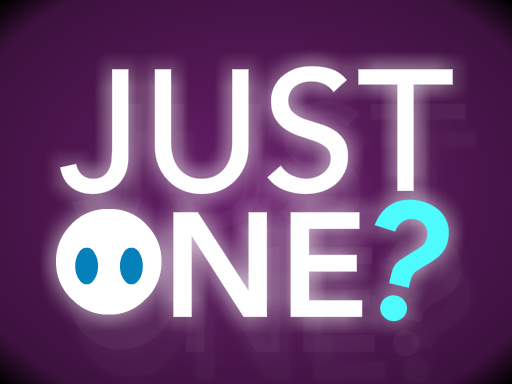
There's something elegant about a game that asks very little. Just One is a free browser game in the driving category that, at first glance, looks like a simple basketball toss. Spend a few minutes with it, though, and you'll realize the real challenge isn't throwing the ball—it's understanding the geometry of every bounce. This review covers how the game plays, its difficulty curve, replay value, and the type of player who will get the most out of it.
What Is Just One?
Just One is an abstract free-throw game. You have one ball and one shot to score as many points as possible. The core loop is simple: choose the right power and angle for your shot, release, and hope the ball finds the hoop. What elevates it beyond a basic toss is the wall mechanic. You can use walls to bounce the ball and chain combos, turning a single shot into a sequence of scoring opportunities.
The presentation is minimal. There are no flashy animations, no story, no roster of characters. Just a ball, a hoop, and a set of walls that can help or hinder depending on how you approach them. This restraint is a strength. It forces you to focus entirely on the physics of each throw, and it makes every successful combo feel earned.
How It Plays
Controls are as simple as they come. Mouse players aim by moving the cursor and click to shoot. Touch players drag to aim and release to shoot. There's no power bar, no spin button, no timing minigame. The only variable is the trajectory you set. This direct input style means your success or failure is entirely down to your own judgment, which is both the game's biggest appeal and its toughest hurdle.
Each attempt gives you one ball. You can throw it straight at the hoop, but the real scoring potential lies in ricocheting off walls. A clean bounce that drops into the basket is worth more than a straightforward shot, and if you can arrange several bounces before the ball settles, you'll see combos pile up. The game rewards experimentation, but it also punishes carelessness. A badly aimed shot can bounce away from the hoop entirely, leaving you with a big fat zero.
Difficulty Curve
The opening moments of Just One are deceptively gentle. The first few throws are close enough that you can score without thinking too hard about angles. Then the game introduces walls that aren't just decoration. You'll need to bank shots off them to reach the hoop, and the margin for error shrinks quickly. What starts as a relaxed toss becomes a geometry puzzle.
The difficulty curve is steep but fair. Every shot teaches you something about the physics engine, whether it's how much speed a bounce retains or how the ball reacts to hitting the rim. There are no cheap deaths or unfair layouts. When you miss, it's because your angle was off, and when you score, it's because you read the situation correctly. This clarity keeps frustration low, even when you're stuck on a particularly tricky setup.
Replay Value
Replay value is where Just One really shines. Because each shot is a single event, you can restart and try again instantly. There's no lengthy loading screen, no menu digging, no penalty for failure. This makes it perfect for quick sessions. You can play for two minutes or two hours and never feel like you're grinding.
The combo system adds a layer of chase. Once you've mastered the basic bounce, you'll start looking for ways to chain multiple wall hits before the ball reaches the hoop. These multi-bank shots are difficult to pull off consistently, but when they land, they feel spectacular. The game never explicitly tells you to go for these, which means discovering them on your own is a genuine joy. This self-directed goal progression is what keeps you coming back for just one more try.
Who It Suits
Just One is a great fit for players who enjoy physics-based puzzle games and abstract arcade challenges. It's also a solid choice for anyone looking for a quick break between other activities. The minimal controls mean it works well on both desktop and mobile, so it's easy to pick up on a lunch break or a commute.
It's less suited to players who prefer narrative-driven experiences or who get frustrated by trial-and-error gameplay. There's no story to unlock, no progression system beyond your own skill, and no hand-holding. You have to bring your own patience and curiosity. If you like the idea of mastering a single mechanic through pure repetition, this is very much your game.
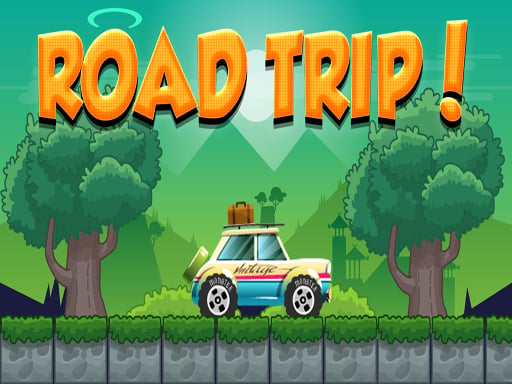
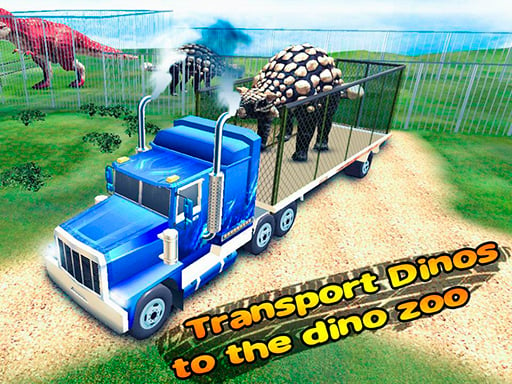
Fans of other physics-heavy browser titles will feel right at home. If you've spent time with Fit, you already know how satisfying it can be to line up a perfect shot. Similarly, Transport Dinos to the Dino Zoo offers a different kind of logistics challenge if you want a change of pace from the court, while Road Trip scratches a more travel-oriented itch within the driving category. Just One sits comfortably alongside these as a pure skill-based diversion.
Presentation and Sound
Visually, Just One is clean and uncluttered. The court is simple, the ball is easy to track, and the walls are clearly defined. This clarity is essential for a game about precise angles. If the visuals were noisy, the physics would be impossible to read. The sound design is similarly restrained, with a satisfying thunk when the ball hits a wall and a pleasant swish when it drops through the net. It's not groundbreaking, but it does exactly what it needs to do.
Final Thoughts
Just One is a game that understands the power of doing one thing well. It doesn't overcomplicate its premise with unnecessary mechanics or filler content. Instead, it gives you a ball, a hoop, some walls, and asks you to become the biggest scorer you can be. The abstract presentation might not be for everyone, but the underlying physics are rock solid, and the sense of accomplishment from a perfectly executed combo is hard to beat.
There are moments of genuine brilliance here. The way the ball arcs, the way it kisses the wall and drops cleanly into the hoop, the way a perfectly calculated ricochet can turn a losing position into a high-score run—these are the moments that make the game memorable. It's not a deep game in terms of content, but it's deep in terms of skill, and that's a trade-off worth respecting.
For a free browser game, Just One offers remarkable value. It's easy to learn, hard to master, and endlessly replayable. Whether you're a casual player looking for a quick distraction or a completionist chasing the perfect score, there's something here for you. The only question is whether you have the patience to keep adjusting your angle until everything clicks.
Verdict
Just One is a polished, minimalist physics game that turns a single throw into a compelling test of skill. Its steep but fair difficulty curve and excellent replay value make it a standout in the browser game space. It won't hold your hand, but if you're willing to learn its quirks, it will reward you with some of the most satisfying shots you'll ever take.
Score: 8.4 out of 10
Pros and cons
- + Simple, intuitive controls that work with both mouse and touch
- + Satisfying wall-bounce combo system rewards experimentation
- + Excellent replay value with instant restarts and self-directed goals
- + Clean, uncluttered visuals that make physics easy to read
- − Minimal content with no progression beyond your own score
- − Trial-and-error gameplay may frustrate impatient players
Verdict: Just One is a polished minimalist physics game where a single throw becomes a rewarding test of angle and power. Its fair but challenging difficulty and combo-driven scoring make it a standout free browser title.
More Driving games to try
Browse the full Driving category for more free browser games.